
The people documenting the tank
Neither of us set out to run a business. This started as a curiosity project between a biologist and a mechanic, and it stayed a documentation project on purpose.
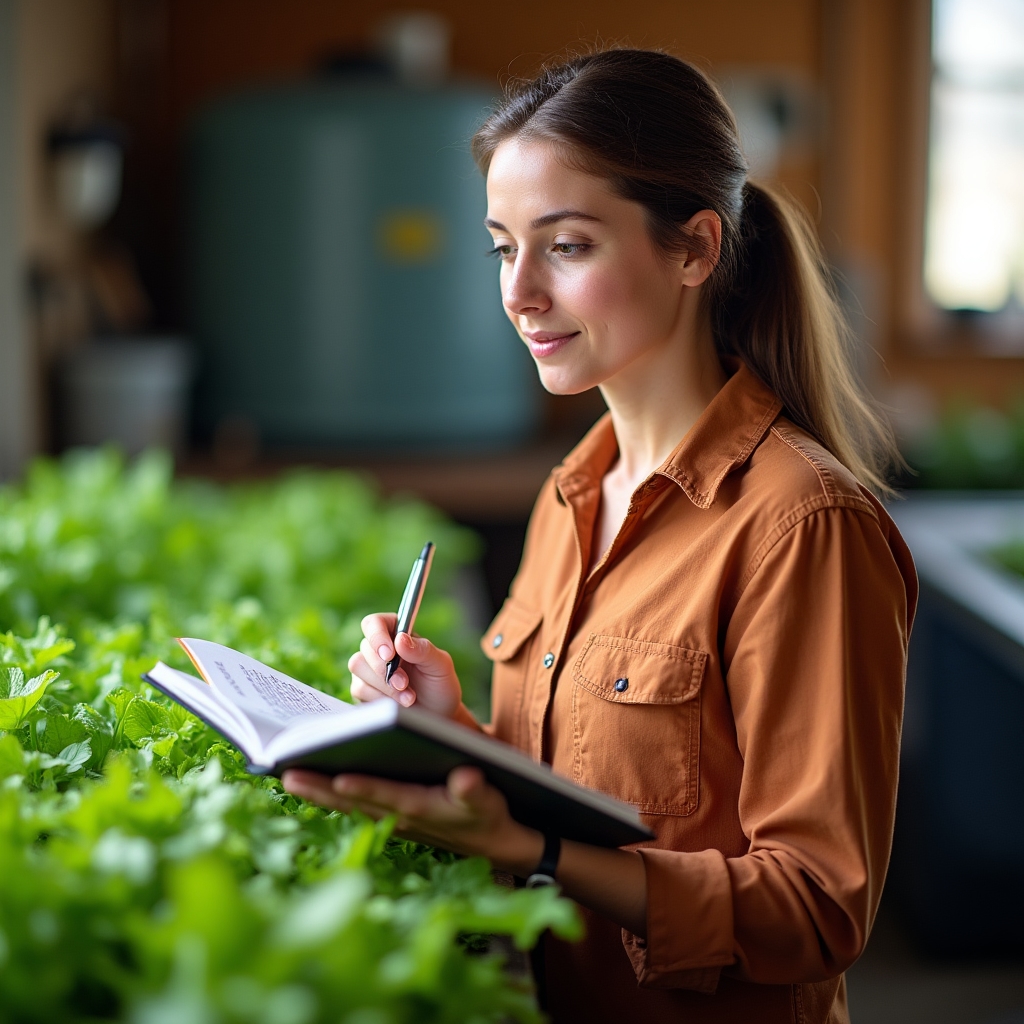
Marta: environmental engineering, applied to a garage
Marta studied environmental engineering with a focus on water treatment before moving into consulting work unrelated to aquaponics. The interest in closed-loop systems started with a much smaller desktop setup, a ten-litre test tank kept on a kitchen shelf for over a year before the IBC build began.
She handles most of the water chemistry: ammonia and nitrite testing, pH adjustment, and the plant side of the system, tracking which greens tolerate fluctuation and which collapse the moment nitrate spikes.
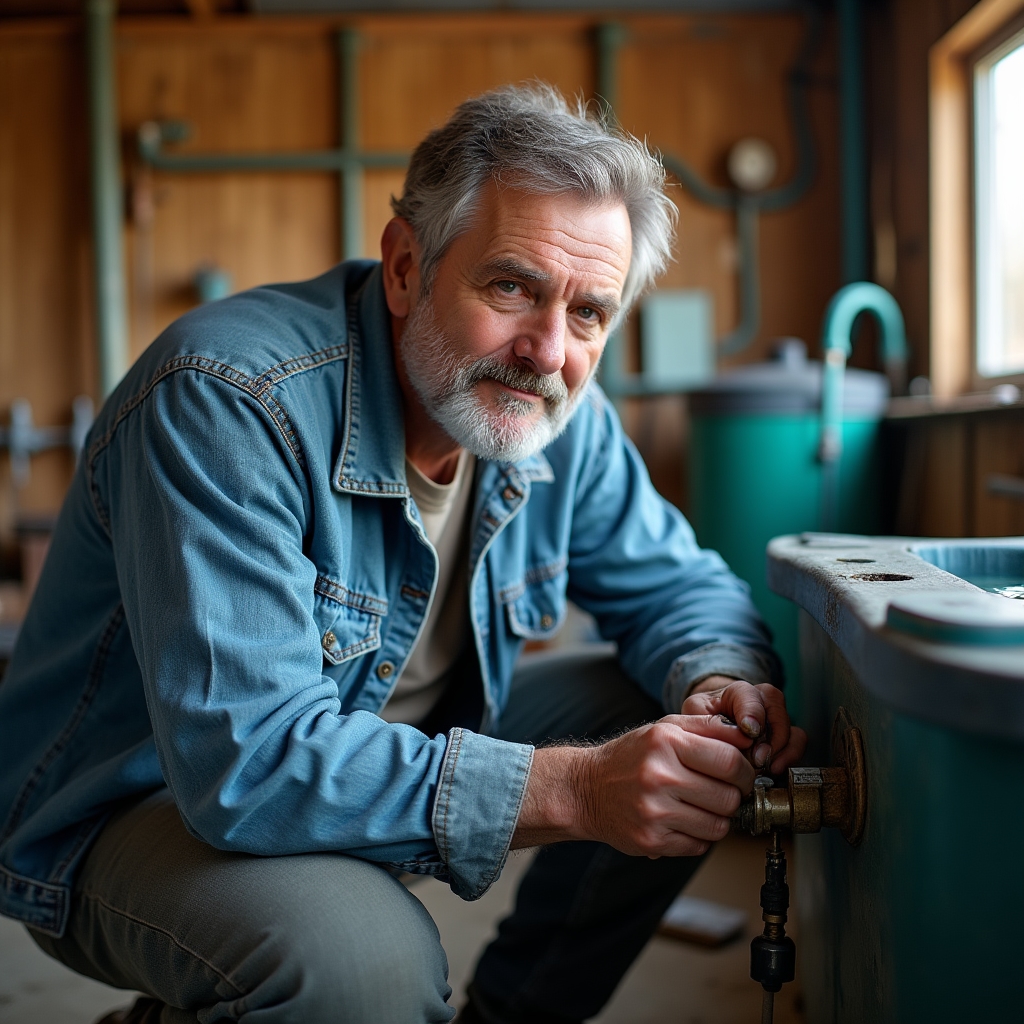
Tomasz: mechanics, wiring, and a lot of PVC fittings
Tomasz trained as a mechanic and has spent years fixing small engines and appliances on the side. He built the physical system: the tank cutting, the plumbing, the pump wiring, and the heating circuit that keeps the garage stable through winter without running the electricity bill higher than necessary.
Most of the cost breakdowns published on this site come from his receipts and meter readings, kept in a running spreadsheet since the first month of operation.
The method behind the numbers
Every figure published here traces back to a dated entry. Water tests happen twice a week and get logged with the date, temperature, ammonia, nitrite and nitrate readings. Electricity use is read directly from a plug-in meter on the pump, heater and grow lights, separate from the household's general meter, so the aquaponics-specific cost is isolated rather than estimated.
Feed purchases, seedling trays, replacement media and testing kit consumables are recorded from receipts as they happen. Nothing is rounded up for effect and nothing is smoothed out to look tidier than it was.
Two things stay constant across every post: figures are in Polish złoty, and nothing described is for sale.
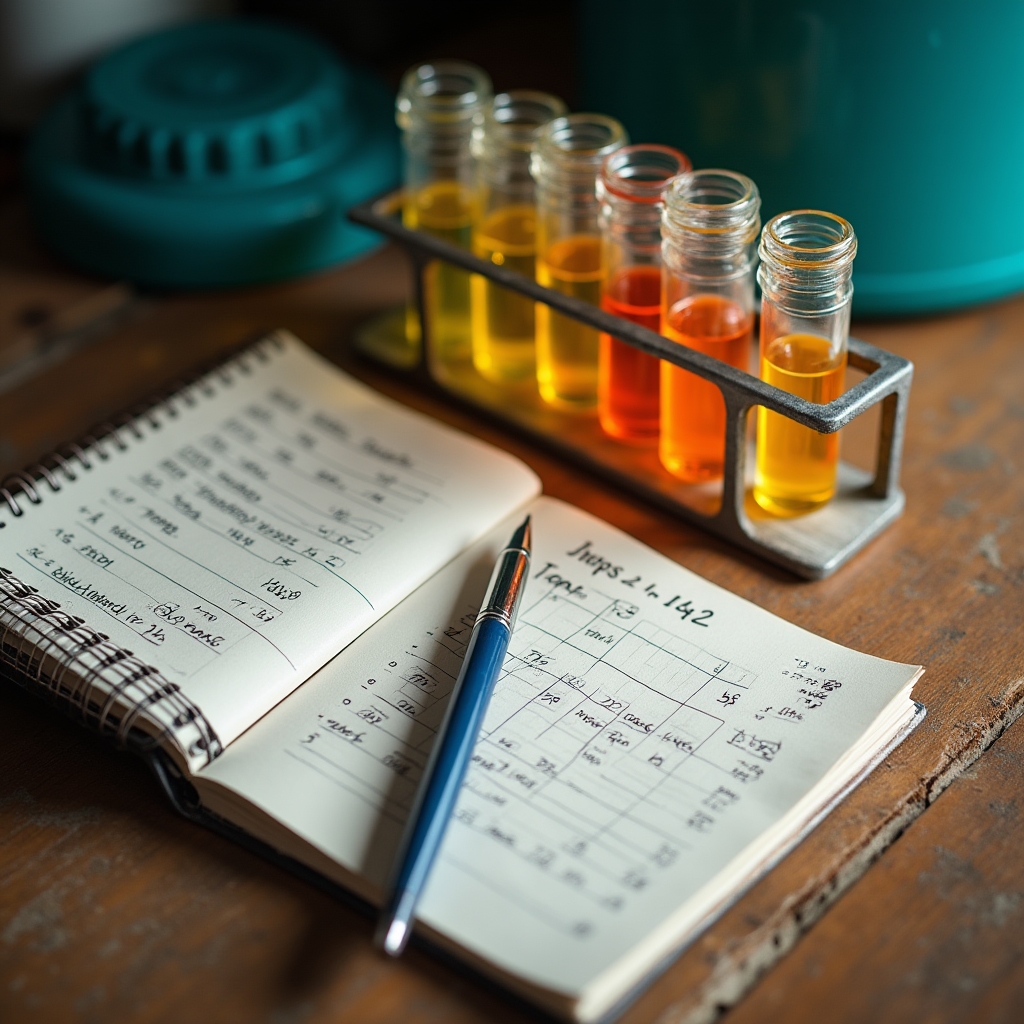
What comes next in the log
Current experiments include a second, smaller grow bed testing watercress under continuous flow, and a review of insulation options for the garage ahead of the coming winter. Neither system nor any fish or plants from it are for sale. Updates are published as they happen, including the ones that do not go as planned.
See the build photos